
B.C. allergist leads project to correct false penicillin allergy diagnoses
Emma MacLeod
11/10/20252 min read
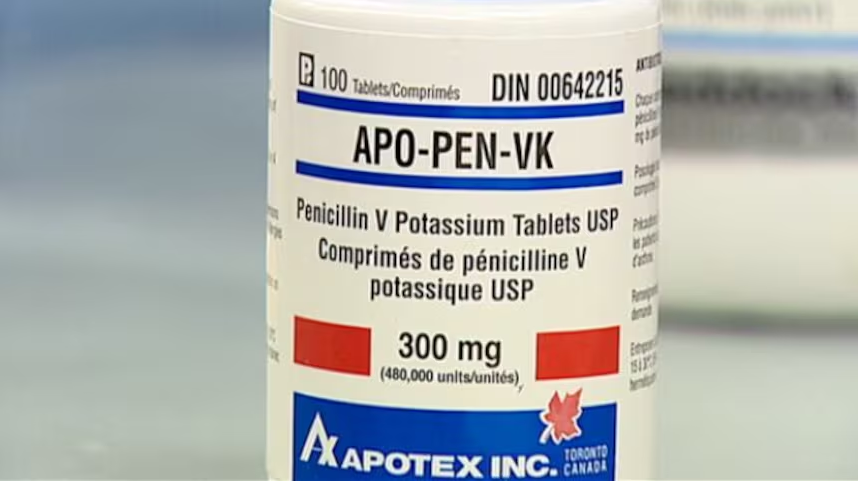
Only about one per cent of people are truly allergic to penicillin, yet ten per cent of Canadians believe they are — and a B.C. allergist is working to change that.
Dr. Tiffany Wong, co-lead of the Penicillin De-labelling Project, says many people have been mistakenly told they are allergic, often based on reactions that were actually caused by infections rather than the drug itself.
“We have years of research showing that when we test people who think they’re allergic, over 90 per cent can actually tolerate penicillin,” Wong said.
Why the Misdiagnosis Happens
Wong says mislabeling often begins in childhood. A common example is when a child develops a rash while taking antibiotics, and doctors assume the reaction is caused by the medication rather than the illness.
Once that label is added to a medical record, it often follows patients for life — even though it’s inaccurate.
“By the time people are sick and need antibiotics, that’s not the best time to test,” Wong said. “But avoiding penicillin unnecessarily limits their care.”
Consequences of False Allergies
Penicillin and related antibiotics remain the most effective treatments for common infections like pneumonia and ear infections. Patients who are incorrectly labelled as allergic often receive less effective and more expensive alternatives — some of which can lead to worse side effects or antibiotic resistance.
Wong says the impact extends to hospitals as well, where unnecessary allergy precautions can complicate treatment and increase costs.
Faster Testing and De-labelling
To address the backlog of allergy testing — with waits to see an allergist stretching up to two years in B.C. — Wong’s team created a risk-assessment tool that allows doctors, pharmacists, and nurses to perform safe evaluations themselves.
“You don’t need to see an allergist to be de-labelled because most people aren’t actually allergic,” Wong said.
The tool helps identify people at low risk, who can often be safely cleared to take penicillin again after a monitored test dose. Wong’s team has also developed a patient-led assessment tool, allowing people to check their risk category before consulting a health professional.
Changing Medical Practice
Wong began the project a decade ago, and says awareness is growing among health-care providers. However, she believes the next step is prevention — ensuring people aren’t wrongly labelled in the first place.
“We’ve finally got the snowball rolling,” she said. “But until we stop misdiagnosing these allergies, there’s still work to do.”
Background
Research from the B.C. Centre for Disease Control and national studies show that false penicillin allergy labels contribute to higher medical costs, longer hospital stays, and antibiotic resistance.
Wong hopes her work will change how health professionals approach antibiotic allergies — one patient at a time.
News
Stay updated with the latest BC news stories, subscribe to our newsletter today.
SUBSCRIBE
© 2026 Innovatory Labs Inc. All rights reserved.
LINKS