
Alberta–Federal Pipeline Deal Faces Early Delays as Key Deadlines Slip
Emma MacLeod
3/24/20262 min read
An energy and climate agreement between Prime Minister Mark Carney and Alberta Premier Danielle Smith is encountering early setbacks, with initial deadlines expected to be missed as negotiations continue.
The deal — aimed at boosting Canada’s energy sector and supporting a proposed oil pipeline to the West Coast — included several milestones to be reached by April 1. However, Smith acknowledged this week that those targets are unlikely to be met.
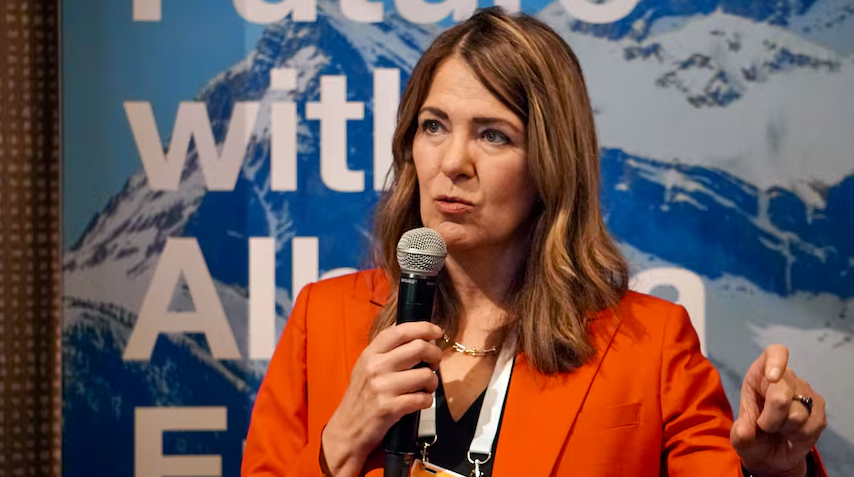
Speaking at an international energy conference in Houston, she said progress is ongoing but slower than anticipated.
“We don’t want to delay very long… but that’s the time frame we’re working towards,” she said.
What the deal includes
The memorandum of understanding (MOU), signed last November, outlines cooperation between Alberta and the federal government on energy development and climate policy.
Key components include:
A co-operation agreement on impact assessments
A methane equivalency agreement
A carbon pricing equivalency agreement
A trilateral agreement with major oilsands companies
While some progress has been made — including completion of the impact assessment agreement — other elements, particularly those tied to carbon pricing and industry partnerships, remain unresolved.
Pathways project proving complex
One major hurdle is reaching agreement with oilsands companies involved in the Pathways Alliance, a consortium aiming to achieve net-zero emissions.
The group’s flagship initiative is a large-scale carbon capture project that would:
Capture emissions from 20 oilsands facilities
Transport them via pipeline roughly 400 kilometres
Store them underground near Cold Lake, Alberta
The project is expected to roll out between 2027 and 2040, but companies have yet to make a final investment decision — adding uncertainty to negotiations.
Industry pressure on carbon policy
Delays also come amid growing concern from industry over carbon pricing.
While Carney removed the consumer carbon tax earlier this year, the industrial carbon tax remains in place, drawing criticism from energy producers.
The Canadian Association of Petroleum Producers has warned that higher emissions costs could hurt Canada’s competitiveness — especially as the U.S. ramps up its own energy strategy.
Pipeline still seeking investors
The proposed pipeline — a central piece of the deal — is still in early development, with Alberta exploring five possible export terminals in British Columbia.
So far, no private company has committed to building or purchasing the project.
Despite that, Smith remains confident global investors will step in.
She suggested sovereign wealth funds and international energy companies could take minority stakes, potentially between 15 and 30 per cent.
She pointed to LNG Canada — backed by a consortium of international firms — as an example of successful foreign investment in Canada’s energy infrastructure.
What happens next
Federal officials, including Natural Resources Minister Tim Hodgson, say the government remains committed to the agreement and its broader goal of expanding resource production and exports.
However, with key negotiations still unresolved and deadlines slipping, the deal’s early challenges highlight the complexity of balancing economic growth, environmental policy and industry demands.
For now, both governments say they are continuing discussions — with hopes of reaching agreements in the coming weeks.
News
Stay updated with the latest BC news stories, subscribe to our newsletter today.
SUBSCRIBE
© 2026 Innovatory Labs Inc. All rights reserved.
LINKS